


Exactly What to Eat Race Morning Before a Full Ironman
Exactly What to Eat Race Morning Before a Full Ironman
If there is ONE day you do not want to “wing it,” it’s Ironman race morning.
I have seen athletes train for months, nail every long ride and long run, only to completely sabotage their race before they even get to the swim start because of poor nutrition decisions.
Race morning is not the time to experiment.It is not the time to eat healthy.It is not the time to load up on fiber, protein, or greasy food.
Your goal on race morning is simple:
Start the race fueled, hydrated, calm, and with a happy stomach.
That’s it.
You are about to ask your body to perform for 10-17 hours. Your nutrition choices before the gun goes off can dramatically affect your energy levels, stomach comfort, pacing, cramping, and even your ability to finish strong.
Here is exactly what you should eat race morning before a full ironman.
The Biggest Mistake Ironman Athletes Make Race Morning
Most athletes either:
Eat WAY too much
Eat foods they never practiced with
Eat too close to race start
Or don’t eat enough because they’re nervous
Ironman nerves are real.
Many athletes wake up with anxiety, butterflies, or a tight stomach. Because of this, they either force-feed themselves massive breakfasts or they barely eat at all.
Neither works well.
You need enough carbohydrates to top off glycogen stores without overwhelming your digestive system.

The morning of an Ironman is all about:
Simple carbohydrates
Easy digestion
Controlled hydration
Moderate sodium
Very low fat
Very low fiber
Minimal protein
Your stomach needs to be calm before you enter the water.
What Your Race Morning Meal SHOULD Look Like
Your pre-race meal should consist primarily of foods that digest easily and leave your stomach quickly.
The best options are usually:
Toast with jelly or honey
White rice
Rice Krispies or low-fiber cereal
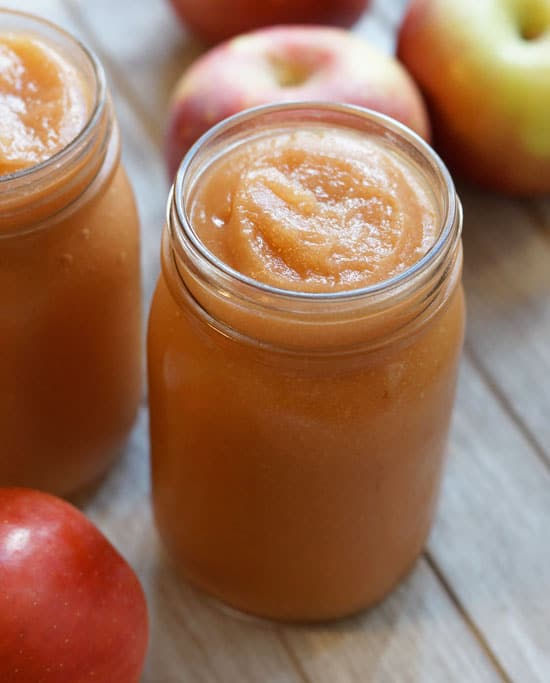
Applesauce
Bananas
White Bagels
Pretzels
Sports drink
Gels or chews
Small amounts of eggs
Sweet potato
Small amounts of lean protein if tolerated
Most athletes do best with mostly carbohydrates and fluids.
Fat and fiber slow digestion and increase the risk of gastrointestinal distress later in the race.
That means race morning is NOT the time for:
Bacon
Sausage
Heavy dairy
Protein shakes
Huge omelets
Avocado toast
High-fiber oatmeal
Vegetables
Beans
Salads
Save the healthy eating for after the race is over.
3-4 Hours Before Race Start
This is your main meal.
Your goal is to top off glycogen stores while giving your stomach plenty of time to digest before the swim.
Eat familiar foods only. Nothing new.
Some great examples include:
Toast with jelly and banana
Rice Krispies with almond milk
Plain bagel with honey or jelly
White rice with a little soy sauce
Applesauce and pretzels
Small sweet potato
Small amount of eggs if tolerated
If you tend to get anxious before races, break this into two smaller meals instead of one large meal.
Many athletes simply cannot tolerate a giant breakfast at 3:30am.
That’s normal.
How Many Carbs Should You Eat?
A good general guideline is:
3-4 grams of carbs per kilogram of body weight about 4 hours before race start
Example:A 150-pound athlete weighs about 68 kg.
That athlete may aim for approximately 200-250 grams of carbohydrates spread across the morning.
But remember:You do NOT need to obsess over perfection.
The goal is steady fueling — not stuffing yourself until you feel sick.
Hydration Before the Swim Start
Hydration mistakes start EARLY.
Many athletes are already behind before they even get in the water.
A good general recommendation is:
5-7 mL of fluid per kg of body weight about 4 hours before race start
Then continue sipping fluids gradually.
Do NOT chug huge amounts of water all at once.
That can dilute sodium levels and leave you bloated standing at swim start.
Instead:
Sip steadily
Include sodium
Use your race drink if possible
Avoid overdrinking plain water
If you are a heavy sweater or racing in hot conditions, sodium becomes even more important.
2 Hours Before the Race
If you already ate well 3-4 hours earlier, you may not need another meal.
But some athletes do well with a smaller carbohydrate top-off such as:
Half a bagel
Applesauce
Banana
Sports drink
Small rice cake
Pretzels
This is NOT the time for a full breakfast again.
Keep things light and easy to digest.
90-60 Minutes Before the Swim
At this point, you should transition mostly to liquids or semi-solid fuel sources.
This is where:
Sports drink
Gels
Chews
Liquid carbs
work very well.
Solid foods become riskier because digestion time is limited.
This is also where athletes commonly make mistakes by eating energy bars, protein bars, or heavy foods because they’re afraid of getting hungry.
Don’t do it.
The goal now is stable blood sugar and a calm stomach.
The Final 30 Minutes Before the Gun
This is where race anxiety spikes.
Your adrenaline is high.Your heart rate is elevated.You are walking around nervous and excited.
Many athletes stop eating completely here.
That’s a mistake.
Within the final 25-20 minutes before the race, it is perfectly fine to take in a gel or sip sports drink before entering the water.
In fact, many athletes perform better doing exactly this.
Some athletes tuck a gel into their wetsuit and take it shortly before the start.
This can help stabilize energy early in the swim and prevent that “low energy” feeling once you get on the bike.
A great strategy is:
One gel
A few ounces of sports drink
Small sips only
No overdrinking
You want to arrive at swim start feeling:
Fueled
Hydrated
Calm
Light
Not stuffed
Foods to Avoid Race Morning
High-fiber and gas-forming foods are not good choices before an Ironman because they can increase intestinal discomfort.
Avoid:
Beans
Broccoli
Cabbage
Onions
Heavy oatmeal
Large salads
High-fiber cereals
Fried foods
Excess dairy
Excess protein
Remember:The healthiest foods are not always the best performance foods on race morning.
Practice Your Race Morning Nutrition BEFORE Race Day
This is critical.
You should NEVER wait until race morning to test your nutrition strategy.
Practice this exact timing and meal structure during:
Long rides
Race simulations
Big training weekends
Brick workouts
Your gut is trainable.
The more you rehearse race morning nutrition, the more confident and relaxed you will feel on race day.
Final Thoughts
Ironman race morning nutrition should be simple.
The athletes who usually perform the best are not the ones eating “perfectly.”
They are the athletes who:
Practice consistently
Keep nutrition simple
Avoid overeating
Stay ahead on hydration
Control sodium intake
Stay calm
Stick with familiar foods
Your goal is not to feel full.
Your goal is to arrive at the swim start fully fueled, mentally calm, and ready to race for the next 140.6 miles.
Because once that gun goes off…there are no do-overs.
Have you thought about hiring an experienced coach for your next iron distance event?
Click the purple button below, fill out my short form, and I will get back with you asap to schedule a free 15 min call about your race goals!
Mary Timoney
Ironman University Coach
USA Triathlon Coach
ACSM Trainer


Comments