


How Long Does It Take to Train for a Full Ironman?
Training for a full Ironman is a big commitment, but it does not have to feel overwhelming when you give yourself enough time and follow a smart plan with an experienced Ironman Coach.
A full Ironman includes a 2.4-mile swim, 112-mile bike, and 26.2-mile run. That kind of race asks a lot from your body, your schedule, and your mindset. The right timeline depends on where you are starting.
If you are a seasoned athlete coming off a strong season of racing, you may be ready with a minimum of 6 months of focused training. If you are a complete beginner, you will likely need 6 to 12 months so you can build a strong base without rushing the process. In my coaching, I carefully assess where an athlete is and has been over the past year or so to get a good idea of exactly where we need to start. If I feel they don't have enough time to be ready for their goal race, I will tell them honestly that I think they need a few more months of base building work.
This is general training guidance, not medical advice. If you are new to endurance training or returning after injury, check with a qualified professional before starting.

Your starting point matters most
The question is not only, “How long do I need to train for a full Ironman?” The better question is, “What can my body currently handle?”
A beginner needs more time because the goal is not just to finish one long workout. You need to develop durability across three sports. That means your joints, muscles, aerobic system, fueling habits, and recovery routine all need time to adapt.
A seasoned athlete may already have:
A consistent training history
Experience with long rides and long runs
Strong swim, bike, or run technique
Familiarity with race-day nutrition
A body that can handle higher weekly volume
If that is you, 6 months may be enough, especially if you are coming off a recent racing season.
If you are newer, there is no shame in taking 9 to 12 months. That extra time helps you arrive healthy, confident, and prepared.
A smart Full Ironman plan builds in recovery
More training is not always better. Better training is better.
A carefully planned program should reduce your injury risk and help you avoid burnout. One of the simplest ways to do this is by building recovery into the schedule.
In most Ironman plans, every 4th week is a recovery week. That does not mean you stop training completely. It means you lower the volume slightly so your body can absorb the work from the previous three weeks.
A typical training week working with me as your coach may include:
2 swims
3 to 4 runs
3 rides
2 strength training sessions
The exact volume changes based on your experience, race date, and life schedule. The plan should challenge you, but it should not crush you week after week.
Recovery weeks are where fitness becomes real. They give you space to sleep more, sharpen technique, and come back stronger.
The main stages of Ironman preparation
Ironman training usually moves through stages. Each stage has a purpose, and skipping ahead too quickly can lead to frustration or injury.
General preparation builds your base
This is where you develop your aerobic engine. The workouts are steady and controlled. You build consistency across swimming, biking, running, and strength training.
For beginners, this stage is especially important. You are teaching your body to handle frequent training without breaking down.
The focus is on:
Easy endurance
Good technique
Basic strength
Routine and consistency
Gradual volume increases
Specific preparation makes training look more like race day
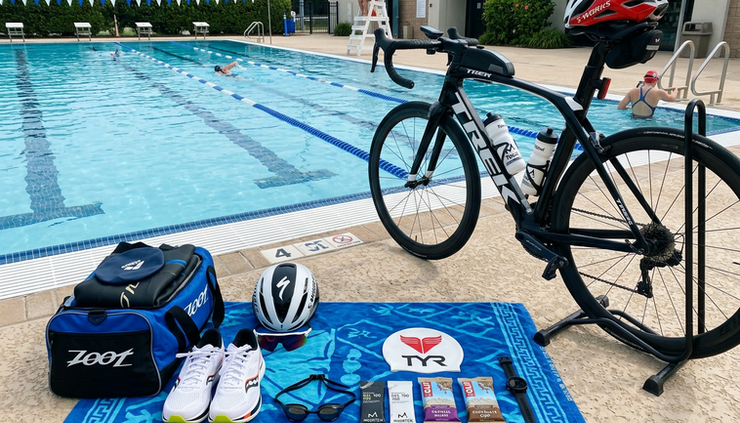
Once your base is strong, training becomes more specific. Long rides get longer. Runs may happen off the bike. Swims may include longer continuous efforts.
This stage helps you practice what race day will feel like. You also start testing nutrition, hydration, pacing, gear, and mental strategies.
This is where you learn what works before race day, not during it.
Pre-competition sharpens your fitness
The pre-competition phase is where your biggest race-specific workouts often happen. You may complete longer brick sessions, longer rides, and key endurance workouts that build confidence.
This is not the time to panic train. The goal is to sharpen the fitness you already built.
You should be practicing:
Race-day pacing
Fueling on the bike and run
Open-water skills if possible
Transitions
Mental focus when fatigue sets in
This stage can feel exciting, but it can also feel demanding. That is why the earlier base work matters so much.
Competition phase brings the taper and race execution
As race day gets close, training volume comes down. This is called the taper. You keep some intensity, but the overall workload drops so you can arrive rested.
A good taper can feel strange. You may feel like you should be doing more. Trust the process.
By this point, the work is done. Your job is to stay healthy, sleep well, follow your nutrition plan, and protect your confidence.
So how long should you train?
Here is a simple way to think about it:
Athlete experience | Recommended timeline |
Complete beginner | 6 to 12 months |
Active but new to triathlon | Around 6-9 months |
Experienced triathlete | 5-6 months or more |
Seasoned athlete coming off racing | Minimum of 4-6 months may be enough |
The best timeline is the one that lets you train consistently, recover well, and show up to the start line healthy.
If you are newer, take the longer build. You are not behind. You are building the foundation that will carry you through 140.6 miles.
A full Ironman rewards patience. Give yourself the time to prepare, respect the recovery weeks, and trust each stage of the process. When race day comes, you will not just be hoping you can finish. You will know you prepared for it.
Have you thought about hiring a coach for your next Iron Distance event? Click the purple button below and fill out the short form to set up a call with Coach Mary!
Mary Timoney
Ironman Certified Coach
USA Triathlon Certified Coach
ACSM Trainer


Comments